If you are thinking about moving west of Boise, Star is one of the places that probably keeps coming up for good reason. It offers a different pace than many central Treasure Valley locations, with more room, a strong outdoor pull, and a community that is clearly growing fast. If you want a clearer picture of what daily life in Star actually feels like before you make a move, this guide will walk you through the setting, housing pattern, parks, commute, and everyday trade-offs. Let’s dive in.
Why Star Stands Out
Star has grown quickly in just a few years. The U.S. Census Bureau estimates the population increased from 11,117 in 2020 to 20,874 in 2025, which points to major recent in-migration and expansion.
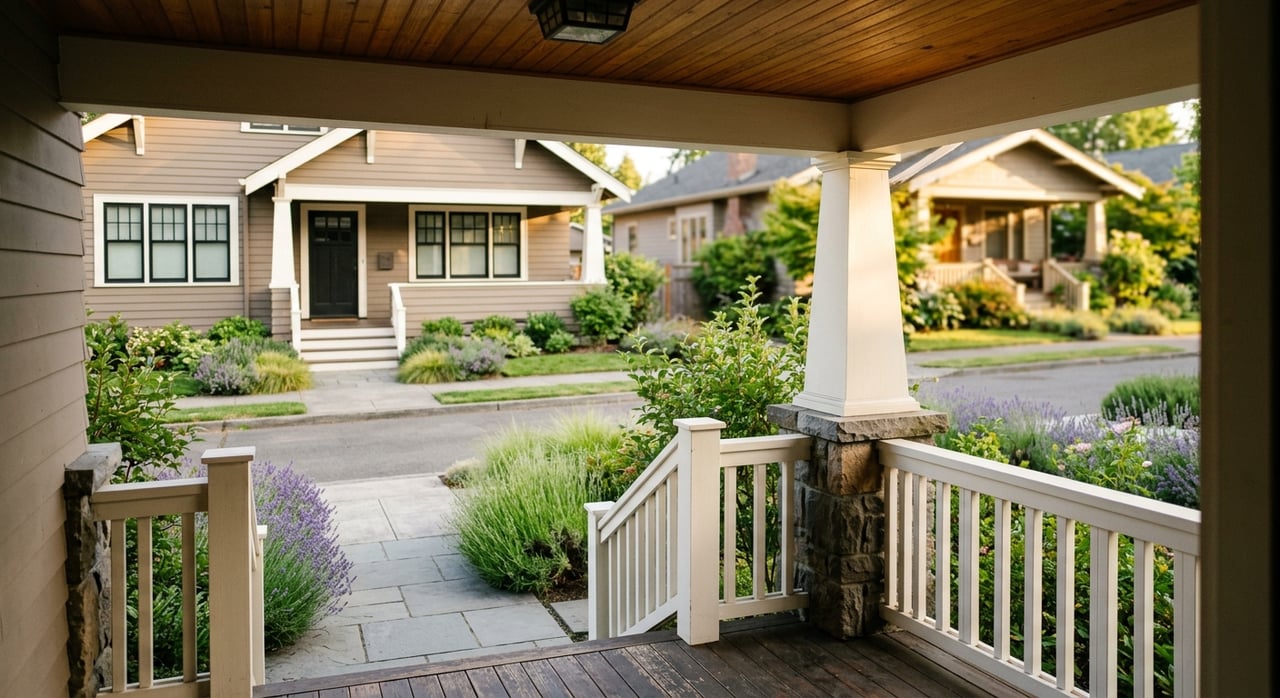
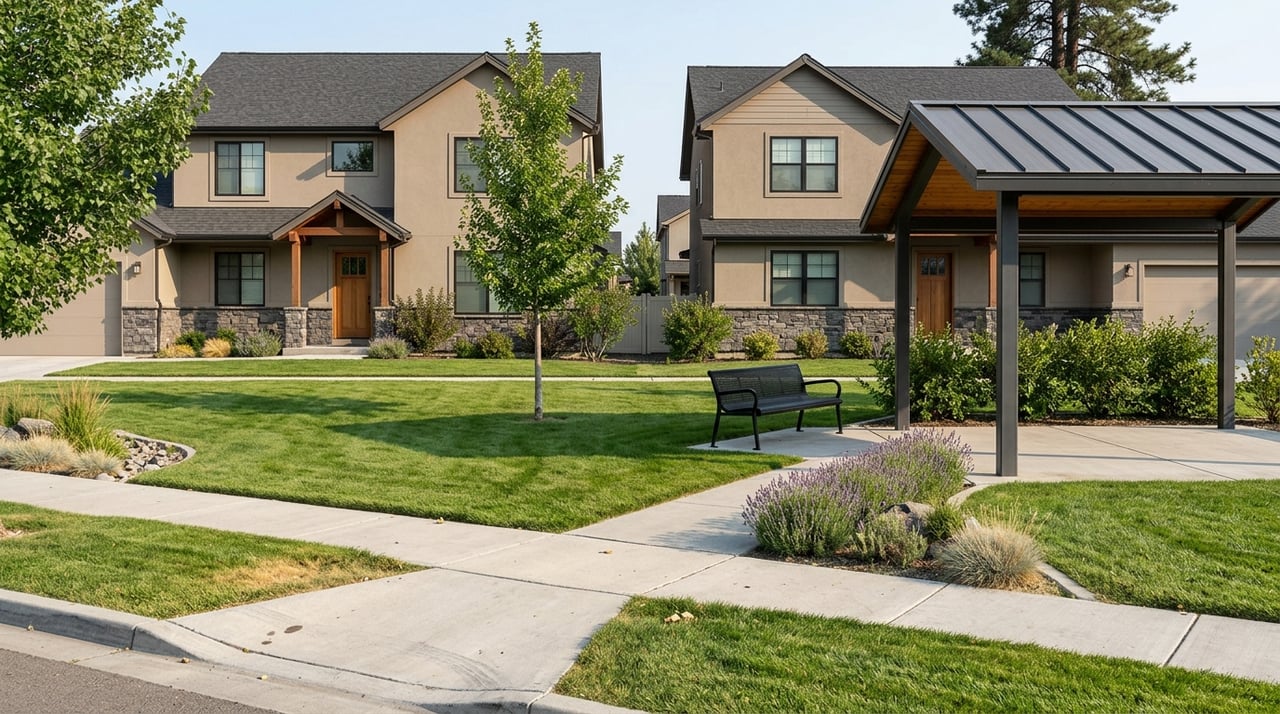
That growth helps explain why Star feels like a community in transition. You are not looking at a fully built-out city center or a dense urban layout. Instead, Star reads more like a homeowner-oriented suburban community with rural edges, newer neighborhoods, and an evolving town core.
The ownership picture supports that feel. The owner-occupied housing rate is 80.7%, and the median owner-occupied home value is $564,300, which suggests a market where many residents are putting down longer-term roots.
What Daily Life in Star Feels Like
For many Boise-area movers, the biggest draw is lifestyle. Star tends to appeal to people who want a quieter home base, more breathing room, and easy access to outdoor spaces while staying within the Treasure Valley commute zone.
You will likely notice that daily life here still leans car-based. At the same time, Star is adding more parks, pathways, and local gathering spaces, which gives the city a more connected feel than a simple drive-in, drive-out suburb.
In practical terms, Star can be a fit if you want:
- A lower-rise residential setting
- More single-family housing patterns
- River and park access close to home
- A small-town atmosphere with ongoing growth
- A location that still connects to Eagle and Boise
Star Housing and Neighborhood Character
Star’s land-use pattern says a lot about the kind of housing you can expect. In the city’s 2026 plan update, 46% of land-use designations are neighborhood residential and 20% are rural residential, while compact and high-density categories make up much smaller shares.
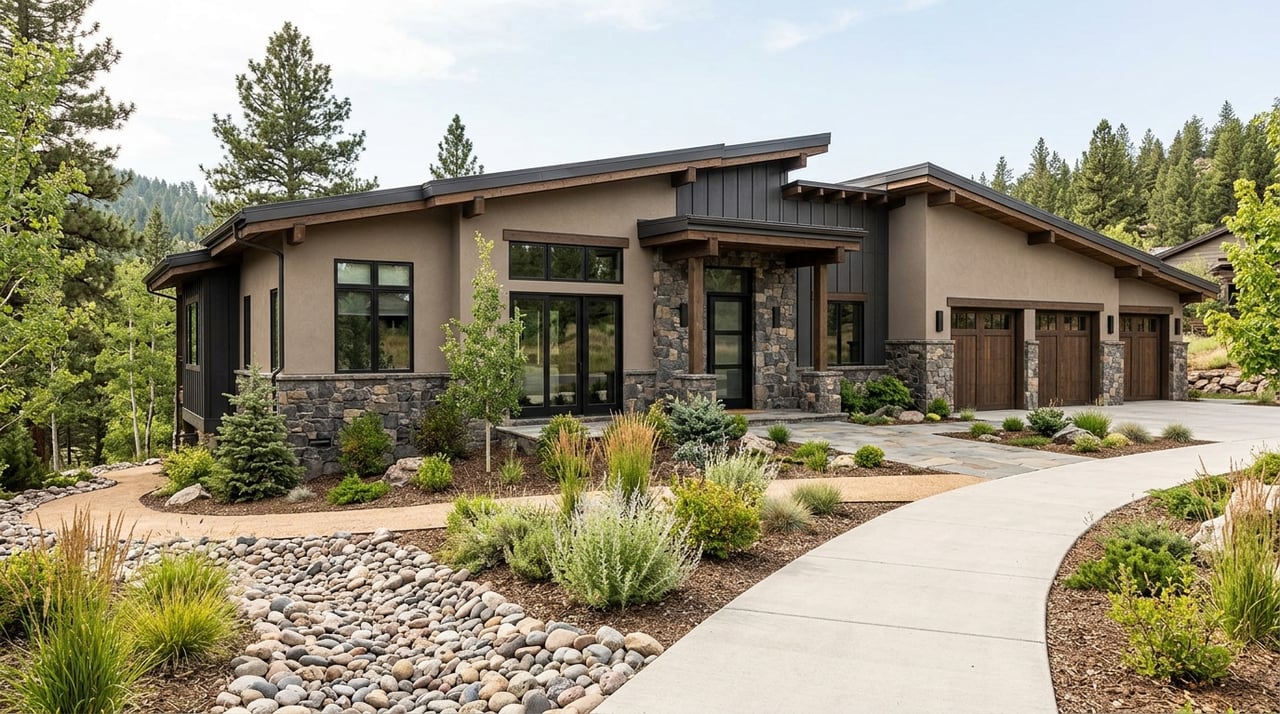
For you as a buyer, that usually translates into a market shaped mostly by detached single-family neighborhoods. You may also see a smaller traditional or main-street core, along with more open or estate-style edges depending on where you look.
This is one reason Star often feels different from more built-up parts of Boise or Meridian. The overall pattern is less apartment-heavy and more focused on neighborhoods with space around them.
The city has also stated a goal of blending land uses, housing types, recreation, and neighborhood amenities within walking distance where possible. That does not mean every part of Star is walkable today, but it does show the direction local planning is trying to support.
Parks and Outdoor Access in Star
If outdoor access matters to you, Star has a strong everyday recreation story. The city reports eight developed parks and 122.44 acres of developed parkland, with future park sites expected to add more than 70 acres.
One of the most useful local amenities is Star Riverwalk Park. It offers public access to a Boise River walking path, riverbank access for fishing, picnic space, restrooms, and a dawn-to-dusk setting that works well for a quick outing or a slower weekend afternoon.
Freedom Park adds another layer to the lifestyle. It sits just north of the Boise River and includes walking areas, two stocked ponds, and a floating dock area for kayaks and paddle boards.
Pavilion Park broadens the mix with a splash pad, courts, an enclosed dog park, and an adaptive playground. If you want recreation options close to home, this kind of park system can shape how often you actually get outside during a normal week.
Star also includes the Tom Erlebach Skatepark and the Star Riverhouse, a Boise River venue used for city-hosted events, classes, and private rentals. Together, those spaces help support both recreation and community activity.
Pathways, Biking, and Walkability
A common question from Boise-area movers is whether Star is truly walkable. The honest answer is that Star still depends heavily on driving for much of daily life, but the city is actively working to improve how people move around outside a car.
The city’s pathways plan treats Boise River adjacent greenbelt paths as shared hard-surface recreation and bike routes. The transportation committee is also working with ACHD, ITD, and Canyon County Highway District No. 4 to improve pedestrian and bicycle travel.
That matters because it points to a city that is planning for better internal connections, not just more rooftops. The same planning effort ties new pathways to broader trail connectivity, including links that can connect to the Boise and Eagle greenbelt network.
So if your ideal routine includes biking, walking, or reaching parks without always loading up the car, Star may not feel fully built out yet, but it is moving in that direction.
Downtown Star and Local Amenities
Another question buyers often ask is whether Star feels like a bedroom community or whether it has its own local identity. Right now, the answer is a bit of both.
Star still has a largely residential character, but the city is clearly working on its town center and commercial growth. The downtown vision area spans State Street, Star Road, Main Street, and the area north of State Street, and design standards are being used to guide redevelopment and infill.
You can also see commercial expansion in recent active business permits. The city reports growth in retail, food, service, auto, storage, health, and personal-service uses along the 44/16 area, Main Street, Star Road, Norterra, Stonecrest, and Oaklawn Crossing.
For you, that means Star is gaining more practical day-to-day convenience over time. It may not offer the same level of established commercial concentration as larger nearby cities, but it is adding more places to shop, eat, and run errands closer to home.
Commuting From Star to Eagle and Boise
Commute is one of the biggest reality checks in any move, and Star is no exception. SH-44 is the main corridor shaping travel, and the Idaho Transportation Department describes it as a principal arterial running through Middleton, Star, and Eagle.
Most of that corridor is posted at 55 miles per hour, with slower zones through cities. Route planners put the drive from Star to Boise at about 25 to 30 minutes, while the drive from Star to Eagle is around 11 minutes.
Those numbers help frame the lifestyle trade-off. Star can make a lot of sense if you are comfortable with a car-based routine in exchange for more space and a quieter residential setting.
If you need to be in central Boise every day and want the shortest possible commute, Star may feel farther out. If you are balancing commute time with housing style, neighborhood space, and outdoor access, it may land in a very practical middle ground.
Who Star May Fit Best
Star is not a one-size-fits-all choice, which is exactly why it helps to look at it through a lifestyle lens. In general, it can be a strong fit for Boise-area movers who want a small-town feel, newer suburban housing patterns, and access to parks and the river without leaving the Treasure Valley orbit.
It may be especially worth a closer look if you are searching for:
- A single-family home environment
- More room than you may find closer to central Boise
- Easy access to parks, ponds, and river spaces
- A community that is still growing into its amenities
- A location with a manageable connection to Eagle and Boise
At the same time, Star may be less ideal if your top priority is a dense, highly walkable town center or a shorter everyday drive into Boise.
What to Know Before You Move
Star’s growth is not random. The city is actively managing expansion through a 2026 comprehensive plan update, downtown visioning, a capital improvement plan and impact-fee program, and a pathways master plan.
That should matter to you as a buyer because growth planning affects how a place functions over time. Parks, pathways, public-safety capacity, and infrastructure are all part of the long-term picture, especially in a city adding households this quickly.
The big takeaway is simple. Star already offers a clear lifestyle today, but it is also still becoming more of what it plans to be.
If you are weighing Star against Boise, Eagle, Meridian, or other Treasure Valley options, the real question is not just where you can buy. It is where your day-to-day life will feel most comfortable, practical, and enjoyable over the long run.
If you want help comparing Star with other Boise-area communities, Tina Richards can help you sort through the differences with steady local guidance and a clear view of how each area fits your goals.
FAQs
How walkable is Star, Idaho for daily life?
- Star still depends heavily on driving for many daily errands and routines, but the city is expanding pathways and improving pedestrian and bicycle connections.
What kind of housing is most common in Star, Idaho?
- Star is shaped mostly by neighborhood residential and rural residential land uses, so you will usually find detached single-family neighborhoods and lower-density housing patterns.
What parks and outdoor amenities are available in Star, Idaho?
- Star offers eight developed parks, including Star Riverwalk Park, Freedom Park, Pavilion Park, the Tom Erlebach Skatepark, and the Star Riverhouse.
How long is the commute from Star, Idaho to Boise?
- Route planners estimate the drive from Star to Boise at roughly 25 to 30 minutes, while the drive to Eagle is about 11 minutes.
Is Star, Idaho still growing?
- Yes. Census estimates show strong recent population growth, and the city is actively planning for expansion through updates to downtown, parks, pathways, and infrastructure.