If you want a neighborhood that feels connected, outdoorsy, and a little removed from the usual suburban pace, Hidden Springs and Dry Creek Valley tend to stand out fast. You may be looking for more than square footage alone. You may want open space, a stronger sense of place, and a daily routine that feels a bit more personal. This area offers a distinct version of Boise living, and understanding why it feels that way can help you decide if it fits your next move. Let’s dive in.
Why Hidden Springs Feels Different
Hidden Springs is a planned community in Dry Creek Valley, northwest of Boise, and that setting matters. The community covers about 1,844 acres and includes more than 800 acres of protected open space under conservation easement. That preserved land helps create the rural character people notice right away, even though downtown Boise is about 15 minutes away.
This small-town feel is not accidental. Ada County’s ordinance for Hidden Springs calls for a rural community pattern, a traditional village center, paths along Dry Creek, and a mix of homes, parks, schools, and civic uses. It also includes protections for wildlife habitat, trail connections, and an accessible greenbelt within the project area.
In practical terms, that means you are not just buying into a subdivision layout. You are stepping into a community that was planned around open land, walkability, and shared gathering spaces. That design still shapes everyday life today.
Dry Creek Valley Setting and Open Space
One of the biggest draws here is the landscape itself. Hidden Springs’ open-space plan centers on the Dry Creek corridor, wetlands, the Currant Creek corridor, uplands, and the farm and orchard area. Those features create visual breathing room and help the neighborhood feel tied to the land around it.
For buyers who want foothills access without feeling too far from Boise, that balance can be appealing. You get scenery and trail access, but you are still connected to the city for work, errands, and everyday needs. That mix is a big part of the area’s identity.
If you are comparing Hidden Springs to a more conventional Boise subdivision, this is often the clearest difference. Here, open space is not just an amenity on the edge of the map. It is built into the way the neighborhood functions and feels.
A Village-Style Daily Routine
The rhythm of daily life in Hidden Springs is shaped by shared places. Current amenities include two pools, a clubhouse with a fitness center and rentable great room, the Community Barn, the Community Farm, an orchard, a bike area, trails, a library, a fire department, and an elementary school that serves the community as part of Boise School District.
Some of the most interesting details are the simplest ones. Mail is picked up at the Dry Creek Mercantile mailroom instead of being delivered to individual mailboxes. That choice was intended to increase everyday interaction among neighbors, and it reflects how the community was designed from the start.
A Boise State analysis noted that the town center, general store, central mailroom, and event spaces were meant to encourage daily connection. In other words, the community’s social feel comes from repeated, ordinary encounters, not just special events.
Community Events Add to the Small-Town Feel
Hidden Springs also has an active event calendar that keeps residents engaged throughout the year. Recent newsletters show concerts at the Barn, Old Time Farm Day, Bark & Splash, scarecrow contests, home-decorating contests, holiday tree lighting, cleanup days, annual meetings, and garage sales.
There is also a resident-run side to community life. Monthly Town Council, Open Space, and TDRB meetings show that the neighborhood is not just managed from a distance. Residents are involved in how the community operates and evolves.
If you are drawn to neighborhoods where people cross paths often and shared traditions matter, this can be a strong fit. If you prefer a more private, less structured neighborhood culture, it is worth weighing that honestly before you buy.
The Farm and Orchard Matter Here
In many neighborhoods, agricultural features are mainly decorative. In Hidden Springs, the Community Farm is an active part of neighborhood life. It is volunteer-supported, operates as part of the open-space system, and includes U-Pick and work-share harvest events from spring through fall.
That gives the area a more rooted, hands-on character. The farm and orchard are not just scenery from a walking path. They are part of how residents spend time, connect with each other, and experience the community.
This is one of the reasons Hidden Springs often appeals to buyers looking for more character and more participation than they usually find in a typical tract neighborhood. It offers a lifestyle that feels more intentional.
Trails and Outdoor Access Near Boise
For many buyers, outdoor access is a major reason to consider Hidden Springs and Dry Creek Valley. The neighborhood connects closely to the broader Ridge to Rivers system. According to the Bureau of Land Management, the Boise Foothills trail network spans more than 190 miles for hiking, biking, and horseback riding.
Ridge to Rivers specifically lists the Dry Creek Trailhead at Hidden Springs as an access point for horseback riders. That gives the area a practical advantage for people who want regular trail use to be part of everyday life, not just a weekend plan.
If your ideal home base includes quick access to foothills recreation, this location checks an important box. It supports a lifestyle built around movement, scenery, and time outside.
Housing Style and Neighborhood Character
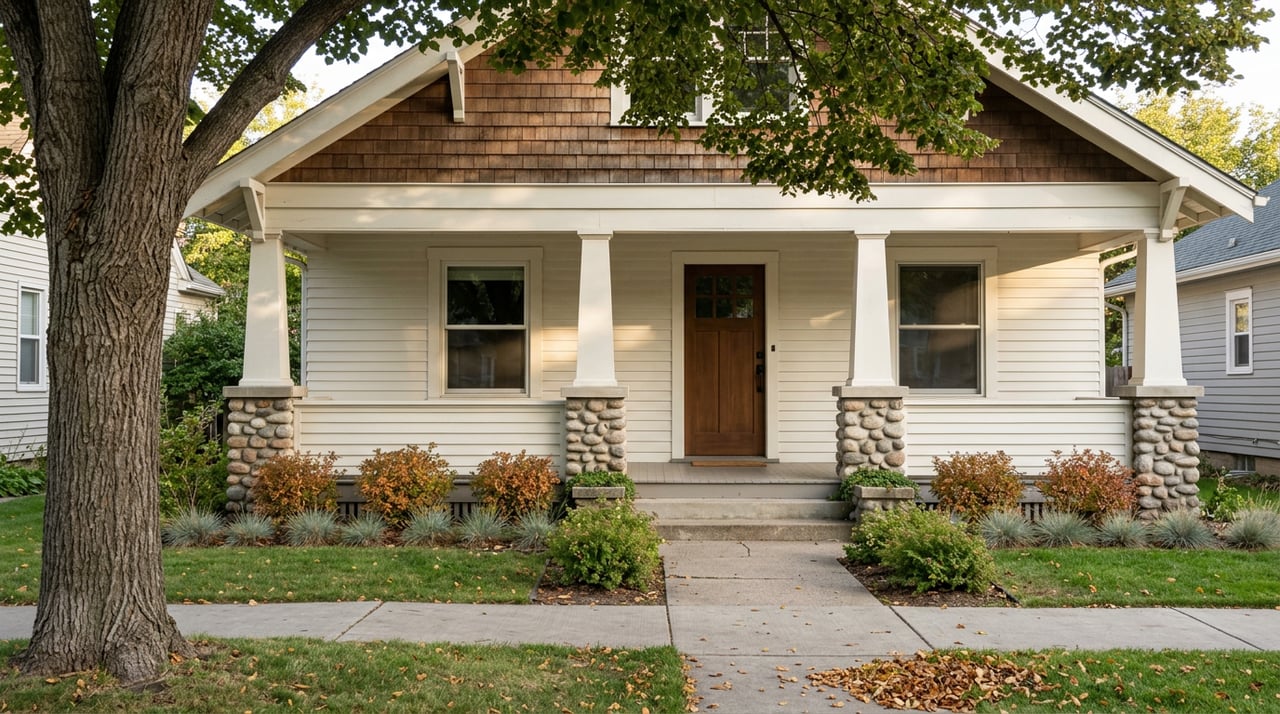
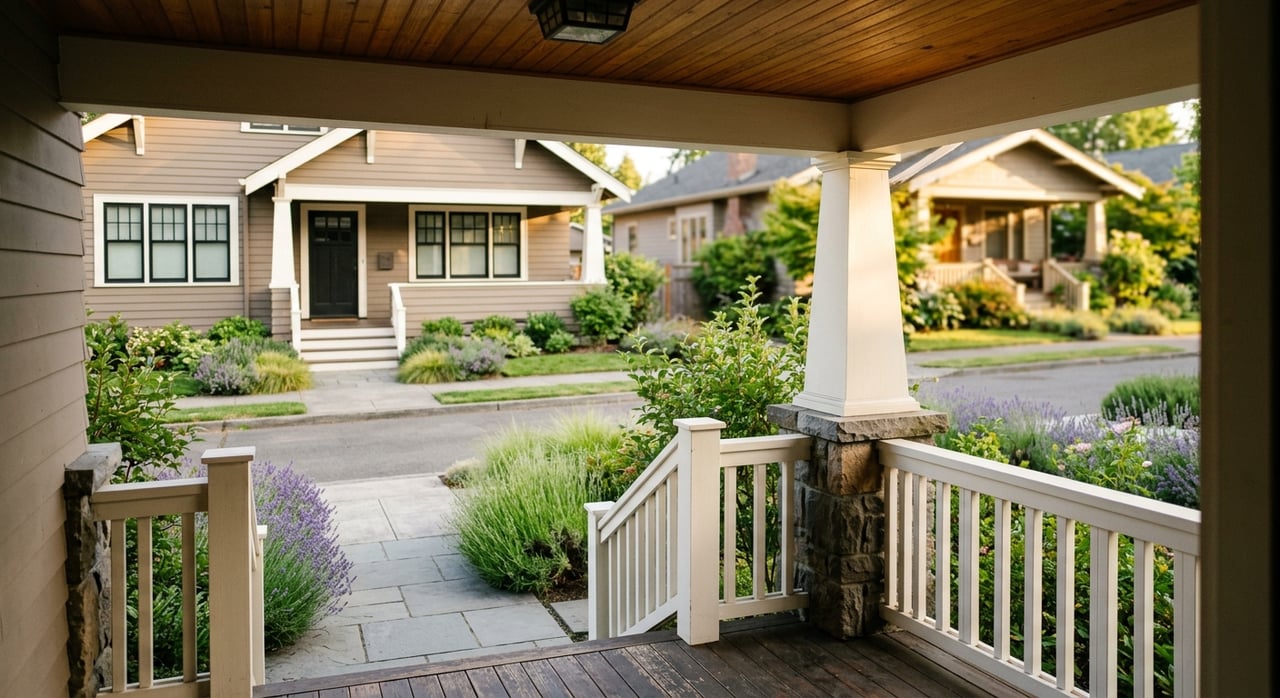
Hidden Springs does not read like a one-style, one-era development. Original planning emphasized large front porches, pedestrian-oriented design, completed landscaping, and traditional four-sided architecture. Those choices help create a more cohesive streetscape and a more neighborly feel.
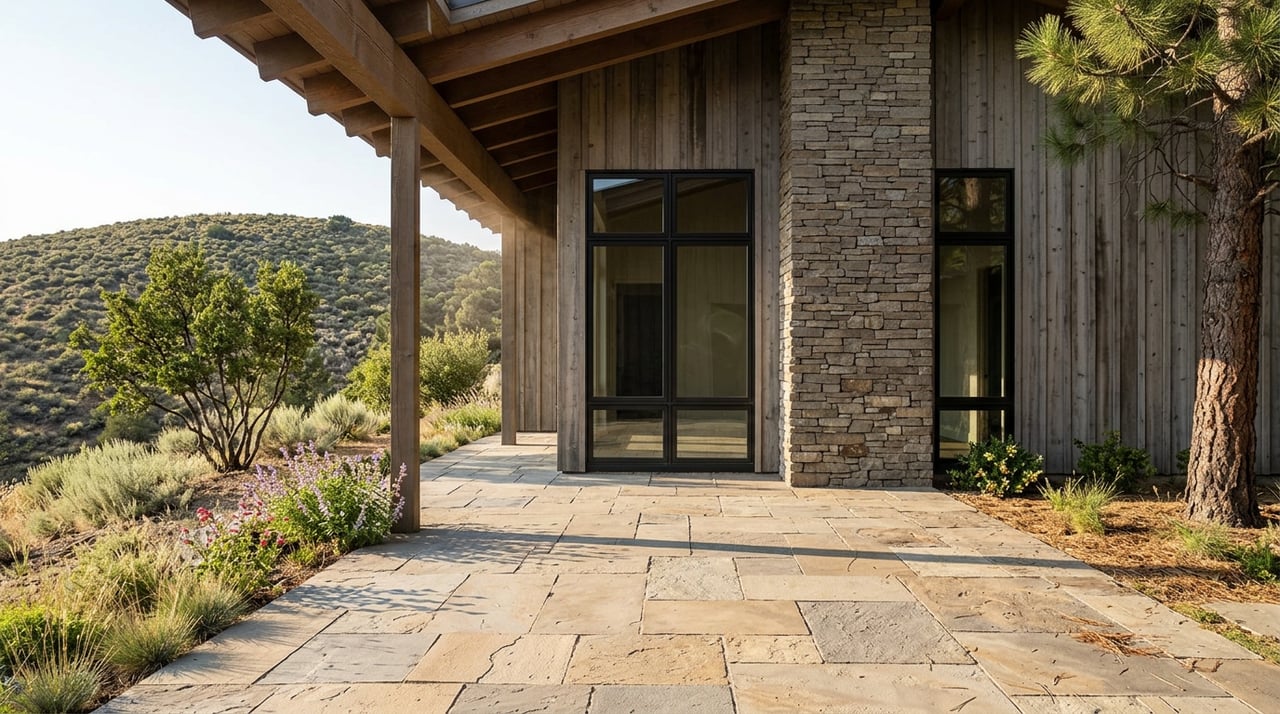
A ULI case study described village-area homes with Craftsman, farmhouse, Victorian, and Prairie influences. It also noted alley-loaded garages in some areas, farmhouse-style homes in the valley, and foothills homes designed to blend into the landscape and views.
For buyers, that usually translates to more visual character than you may expect from a master-planned community. For sellers, that distinct setting can be part of the home’s appeal when presentation and neighborhood fit matter to buyers.
History Gives the Area Depth
The heritage side of Hidden Springs is not just branding. The Schick-Ostolasa Farmstead next to the Community Barn dates to the 1860s, is listed on the National Register of Historic Places, and is described by the community as the longest continuously inhabited home in Idaho.
That farm history still shapes local identity through the Dry Creek Historical Society and neighborhood events. It adds continuity and context to a place that might otherwise be seen as simply newer planned development.
For many buyers, that history helps explain why the area feels more grounded than a typical neighborhood on the edge of town. There is a preserved story here, and you can feel it in the layout, landmarks, and community traditions.
What Buyers Should Consider Carefully
Hidden Springs can be a great fit, but it is not the right fit for everyone. The same planning and design standards that create visual consistency and strong neighborhood character also bring more oversight. The Town Design Review Board requires approval for many exterior changes, including roofs, fences, sheds, additions, and many landscaping improvements.
That review process has been part of the governing documents since 1997. For some homeowners, that structure is a plus because it helps maintain a cohesive look. For others, it may feel more restrictive than a typical Boise neighborhood.
This is one of the most important tradeoffs to understand before making a move. If you value character, trail access, open space, and a community-centered pace, the rules may feel worthwhile. If you want more flexibility with exterior changes, you may want to compare it with other Boise-area options.
Who Hidden Springs Fits Best
This area tends to make the most sense for buyers who want more than a standard suburban setup. You may be a relocator looking for Boise access with a foothills village feel. You may be a move-up buyer looking for stronger community identity, outdoor access, and a home in a setting with more visual distinction.
The best fit is often someone who values shared amenities, open land, and regular neighbor interaction. Hidden Springs is not primarily defined by retail or busy commercial activity. Its day-to-day appeal comes more from preserved land, trails, events, the farm core, and the way residents naturally cross paths.
That is what gives the area its small-town reputation. It is created by design, supported by history, and reinforced through daily routines.
Why Local Guidance Matters Here
Neighborhoods with a strong identity often require a little more nuance when you are buying or selling. In Hidden Springs, understanding the community structure, design review expectations, lifestyle rhythm, and location within the Boise area can make a real difference.
That is especially true if you are trying to decide between Hidden Springs, the Boise foothills, Eagle, or another lifestyle-driven part of the Treasure Valley. The right choice is not only about the home itself. It is about how you want your daily life to feel once you are there.
If you are thinking about a move in Hidden Springs, Dry Creek Valley, or nearby Boise neighborhoods, Tina Richards can help you weigh the setting, the tradeoffs, and the opportunities with clear local guidance.
FAQs
What makes Hidden Springs feel like a small town near Boise?
- Hidden Springs was planned around open space, a village center, shared amenities, community events, a central mailroom, and a preserved farm core, all of which encourage regular interaction and a more connected daily routine.
How close is Hidden Springs to downtown Boise?
- The community states that Hidden Springs is about 15 minutes from downtown Boise, which helps balance a rural-feeling setting with access to city errands and commuting.
What outdoor amenities are available in Hidden Springs and Dry Creek Valley?
- Hidden Springs includes trails, open space, a bike area, farm and orchard areas, and access to the broader Boise Foothills Ridge to Rivers trail system, including the Dry Creek Trailhead.
What should buyers know about Hidden Springs home rules?
- Buyers should know that the Town Design Review Board reviews many exterior home and landscaping changes, including items like fences, sheds, roofs, additions, and some yard improvements.
What kinds of homes are found in Hidden Springs?
- Planning and case study materials describe a mix of Craftsman, farmhouse, Victorian, and Prairie influences, along with pedestrian-oriented design features like front porches, landscaping, and some alley-loaded garages.
Who is Hidden Springs a good fit for in Boise?
- Hidden Springs often fits buyers who want foothills access, preserved open space, stronger neighborhood character, and more day-to-day community interaction than a typical suburban neighborhood offers.