Trying to decide between Northwest Boise and Eagle? You are not alone. Both areas give you access to outdoor living, established residential pockets, and a strong sense of place, but they feel different once you look past the map. If you want to choose with more confidence, it helps to compare how each area functions day to day. Let’s dive in.
Start With Daily Feel
Northwest Boise sits in the far northwest corner of Boise, about seven miles from downtown, according to the City of Boise’s neighborhood plan. The area blends quiet residential sections with semi-rural pockets, and some parts still reflect the older agricultural edge of the city. At the same time, State Street along the south edge is a busy, auto-oriented corridor.
Eagle has a more segmented planning identity. Its comprehensive plan treats downtown Eagle as the commercial hub, while also highlighting the Eagle Foothills, Eagle Island State Park, and the head of Eagle Island as important scenic, historical, ecological, and recreational assets. In practical terms, that can make Eagle feel more intentionally organized into distinct areas rather than one continuous pattern.
Northwest Boise: What It Often Feels Like
Northwest Boise tends to appeal to buyers who want a Boise address with a little more variety in the built environment. City planning policies support a mix of housing types and lot sizes, while also emphasizing open space, trail access, and the area’s varied character. That helps explain why the area often feels less uniform than a typical master-planned setting.
As you drive through Northwest Boise, you may notice transitions from older homes to semi-rural parcels, then into foothills-adjacent neighborhoods and corridor areas near State Street. That does not mean every street feels the same, and it does not mean every section offers the same experience. It does mean you will usually want to evaluate the exact pocket, not just the ZIP code.
Northwest Boise May Fit You If
- You want to stay in Boise proper
- You like a more mixed residential pattern
- You want quick access to the foothills
- You appreciate some remaining semi-rural character
- You are comfortable comparing block by block rather than expecting one consistent development style
Eagle: What It Often Feels Like
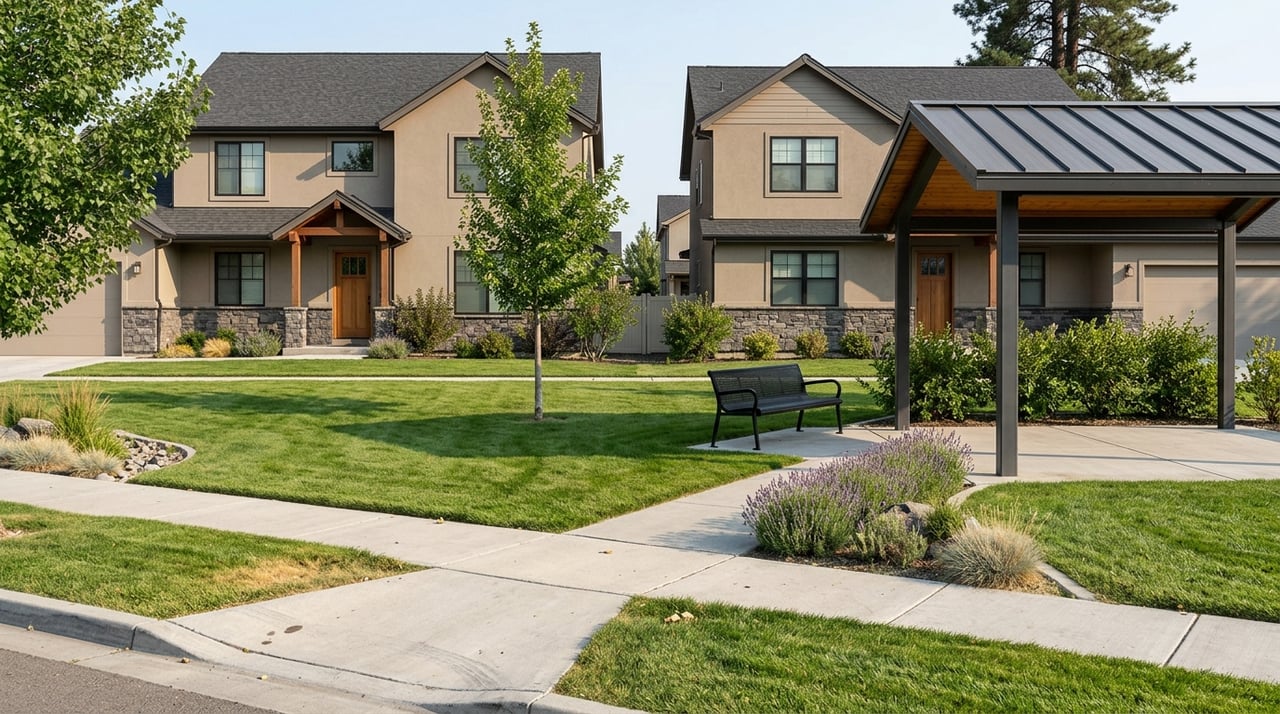
Eagle often attracts buyers who want a more deliberately planned suburban environment. The city’s planning framework separates areas into village, neighborhood center, rural, and foothills-related districts. That structure shapes how growth is intended to happen and creates a clearer distinction between different parts of the city.
Eagle’s land-use documents also point to a broad range of settings. Some rural foothills areas are described as low-density housing on 5- to 10-acre lots with significant spacing between homes. At the same time, neighborhood centers may include attached housing, apartments, and mixed-use buildings, so Eagle is not just one housing type either.
Eagle May Fit You If
- You want a more self-contained suburban feel
- You are looking for more room to spread out
- You like the idea of distinct districts such as downtown, neighborhood centers, and rural areas
- You want access to parks and trail systems woven into a planned setting
- You prefer a city identity that feels separate from Boise day to day
Compare Homes And Lot Patterns
One of the biggest differences between Northwest Boise and Eagle is how housing tends to show up on the ground. In Northwest Boise, the city’s policies support a mix of housing types and lot sizes, along with preservation of open space and trail connections. For you as a buyer, that usually means more variation in age, layout, parcel size, and neighborhood rhythm.
In Eagle, the planning pattern can feel more intentional at a larger scale. Rural planning areas are meant to preserve large-lot, rural, and agricultural uses, while neighborhood centers can allow denser residential and mixed-use development. The city also identifies planned developments that can span 1,000 acres or more, which reinforces the idea that some parts of Eagle are shaped through very large, coordinated projects.
A Simple Way To Think About It
| Area | Common Pattern | What That Can Mean For You |
|---|---|---|
| Northwest Boise | Mixed housing, mixed lot sizes, semi-rural pockets, corridor redevelopment, foothills-adjacent areas | More street-by-street variety and a closer-in Boise feel |
| Eagle | Planned districts, rural large-lot areas, neighborhood centers, suburban and foothills settings | More separation between area types and more room in some locations |
Look At Outdoor Access
If outdoor access is high on your list, both areas deserve a close look. The difference is not whether you can find recreation. The difference is how that recreation connects to everyday life.
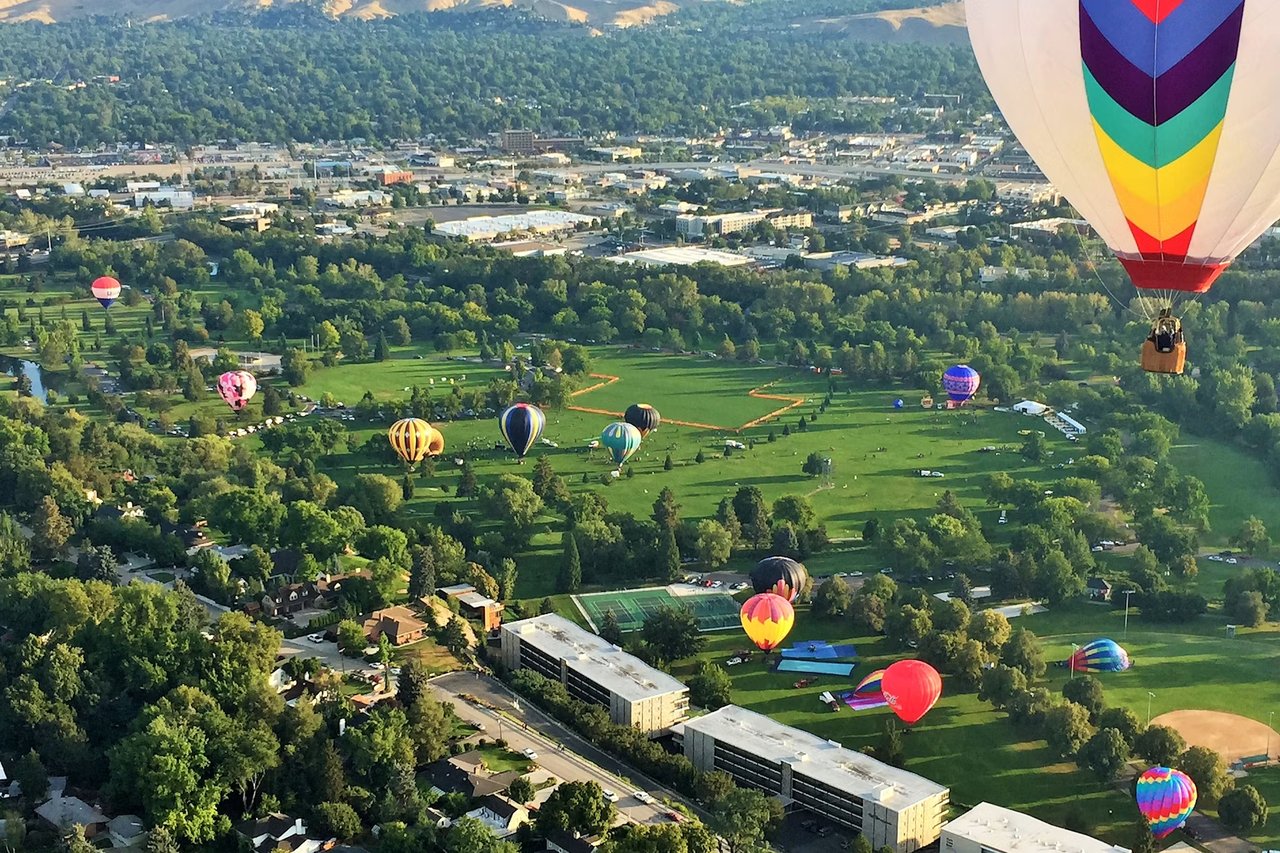
Northwest Boise is closely tied to the Boise foothills trail network. Boise’s Northwest policies call for a north-south pedestrian and bike connection between the foothills and the Boise River, and Polecat Gulch Reserve offers more than seven miles of trails with trailhead improvements underway. If you want foothills access to feel immediate and built into your routine, Northwest Boise has a strong case.
Eagle has a strong outdoor identity too, but the pattern is more park-centered and suburban. The city’s pathways and trails plan supports an environmentally sensitive non-motorized system, and local amenities include Stephen Guerber Park, Reid Merrill Park, and the Ada/Eagle Bike Park. Eagle Island State Park adds a 545-acre recreational setting with a swimming beach and more than five miles of trails.
Ask Yourself This Question
Do you picture yourself heading straight into foothills trails from a Boise-based setting, or do you picture parks, pathways, and larger recreational destinations as part of a more suburban routine? That question alone can help narrow your fit.
Think Through The Commute Experience
Commute decisions are rarely just about mileage. They are about the roads you rely on, how often you use them, and whether your daily pattern feels connected or corridor-dependent.
In Northwest Boise, State Street is a major factor. Boise treats it as a regionally significant corridor, with planning for transit-oriented development nodes and traffic and transit operations. That supports the view that Northwest Boise is typically the more urban and closer-in option between the two.
In Eagle, the Eagle Road and State Street intersection is a major mobility point. The Ada County Highway District describes it as the gateway to Eagle and the focus of a downtown mobility project. That supports the idea that Eagle often feels more suburban in everyday circulation, with key movement shaped around major corridor access.
The Best Choice Depends On Your Priorities
If you are deciding between Northwest Boise and Eagle, there is no universal winner. The better fit depends on whether you value a Boise address, foothills proximity, and a more mixed residential fabric, or whether you prefer a more segmented suburban setting with room to spread out and a clear distinction between downtown, neighborhood centers, and rural or foothills areas.
That is also why broad labels can only take you so far. Both Northwest Boise and Eagle include multiple planning patterns and very different land-use contexts. Two homes with similar price points can offer very different day-to-day experiences depending on the exact street and subarea.
How To Narrow It Down
Before you choose, compare each area through the lens of your actual routine rather than the listing photos alone.
Focus On These Four Filters
- Address identity: Do you want to be in Boise proper, or does Eagle’s separate city identity feel like a better fit?
- Housing pattern: Are you drawn to variety and a less uniform feel, or do you prefer a more intentionally planned environment?
- Outdoor lifestyle: Do you want foothills trail access close at hand, or do you prefer parks, pathways, and destination recreation?
- Daily driving: Which corridor pattern feels more workable for your schedule and regular destinations?
When buyers use those filters, the choice often becomes much clearer.
If you want help comparing specific streets, subdivisions, or homes in 83714 and nearby Eagle areas, working with someone who knows the Boise-area differences can save you time and help you avoid a decision that looks right online but feels off in person. If you are weighing your options, Tina Richards can help you sort through the details with steady, local guidance.
FAQs
Is Northwest Boise or Eagle closer to downtown Boise?
- Northwest Boise is generally the closer-in option, with the City of Boise placing the area about seven miles from downtown Boise.
Does Northwest Boise or Eagle have larger lots?
- Eagle often offers more large-lot and rural planning areas, including some low-density foothills settings with 5- to 10-acre lots, while Northwest Boise is typically more mixed in housing type and lot size.
Is Northwest Boise better for foothills access?
- Northwest Boise is closely tied to the Boise foothills trail network, including Polecat Gulch Reserve and planned connections between the foothills and the Boise River.
Does Eagle have strong parks and trails access?
- Yes. Eagle supports a non-motorized pathways and trails system and includes amenities such as Stephen Guerber Park, Reid Merrill Park, the Ada/Eagle Bike Park, and Eagle Island State Park.
Should you compare Northwest Boise and Eagle by city name alone?
- No. Official planning documents show that both areas include very different subareas and land-use patterns, so it is smart to compare the exact street and surrounding context, not just the city name.