Selecting wall colors is more than a design decision—it’s a strategic part of creating a home that supports comfort, usability, and visual balance. Did you know that paint has existed for approximately 30,000 years? Understanding how color influences behavior and mood can help you create a space that supports the way you want to live. Whether you’re updating a home to enjoy long-term or preparing to list it on the Boise, ID real estate market, learning how to choose colors for a room is an essential part of your planning.
This guide offers practical insights into room color psychology, color palette selection strategies, and interior color coordination tips—helping you move confidently through the process of choosing the right paint colors for every space.
Fast Facts About Paint and Colors
- Sir Isaac Newton organized the color wheel in 1706, laying the groundwork for modern color theory.
- Lead-based residential paint wasn’t officially banned in the United States until 1978, far later than in many other countries.
- Sherwin-Williams released the first ready-to-use paint in 1866, changing how households approached home projects.
- Roughly 10% of architectural paint purchased—equal to more than 750 million gallons—goes unused.
How Science Can Help You Choose Your Home’s Paint Colors
Color psychology provides useful guidance when choosing the right paint colors for any space. Light behavior, surface texture, and even ceiling height influence how a shade appears. Warmer tones often feel energetic, while cooler hues tend to encourage calm. Using a room color selection guide grounded in science helps take the guesswork out of design decisions.
When assessing options, consider how much natural light enters the room, the room’s purpose, and how long you spend in the space. This structured approach supports effective color scheme planning for rooms, enhances room aesthetics with colors, and reinforces a more thoughtful approach to interior updates.
When assessing options, consider how much natural light enters the room, the room’s purpose, and how long you spend in the space. This structured approach supports effective color scheme planning for rooms, enhances room aesthetics with colors, and reinforces a more thoughtful approach to interior updates.
Choosing a Home Color Scheme
A whole-home palette works best when it creates continuity while giving each room a clear identity. Many homeowners prefer one main neutral tone paired with supporting hues. These supporting colors help maintain harmony when moving from room to room. To simplify color palette selection strategies, consider:
- Colors that connect visually across shared areas.
- How flooring, cabinetry, and furniture influence color perception.
- Room size and ceiling heights, both of which affect how colors are perceived.
- How lighting—especially LEDs—changes the temperature of a paint tone.
Using these principles allows you to harmonize colors in home decor, maintain smooth transitions between areas, and support the best colors for room ambiance based on each room’s function.
Best Colors for Every Room of the House
Bedroom
Bedrooms benefit from colors that promote rest. Softer neutrals or muted tones help support a calm atmosphere. If you prefer color, mid-tone blues or greens often encourage relaxation. Use room color matching techniques to blend your bedding, furnishings, and wall tones for a cohesive effect.
Home Office
Productivity is heavily influenced by your environment. Mid-range greens and balanced neutrals work well to maintain focus. Some homeowners prefer soft blues for clarity. Avoid overly saturated colors that may distract from concentration unless used sparingly as an accent.
Kitchen
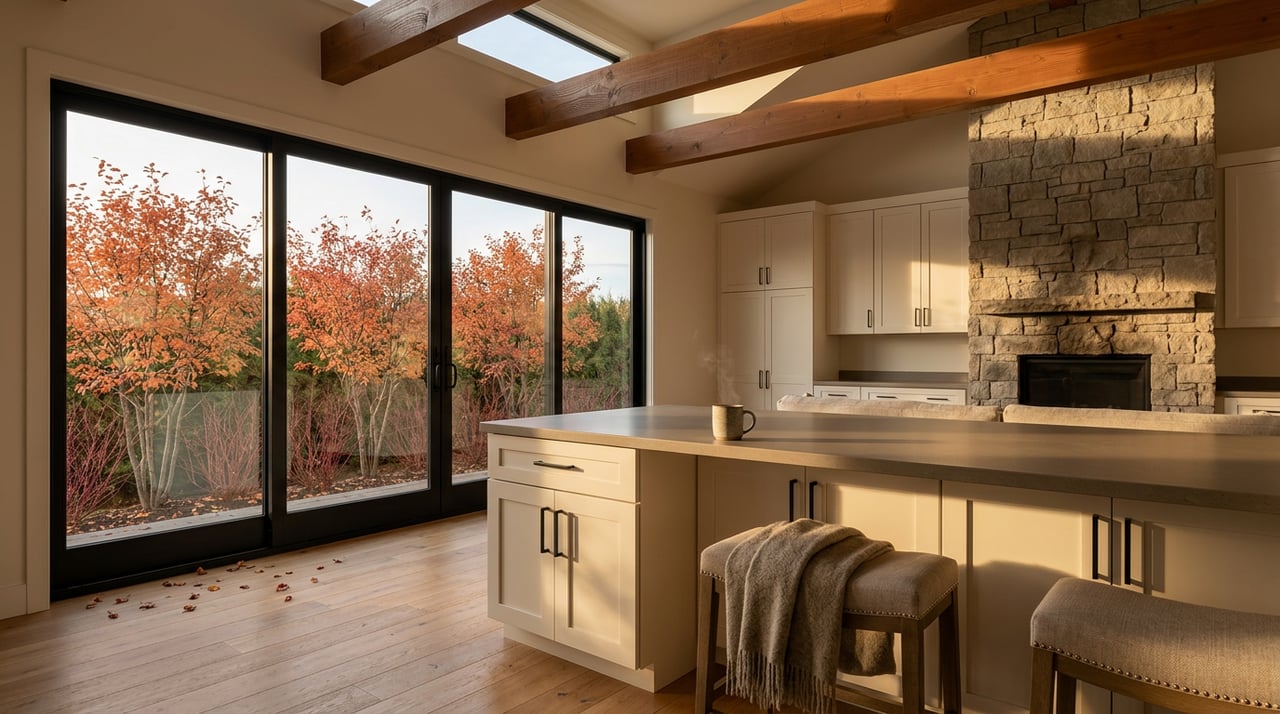
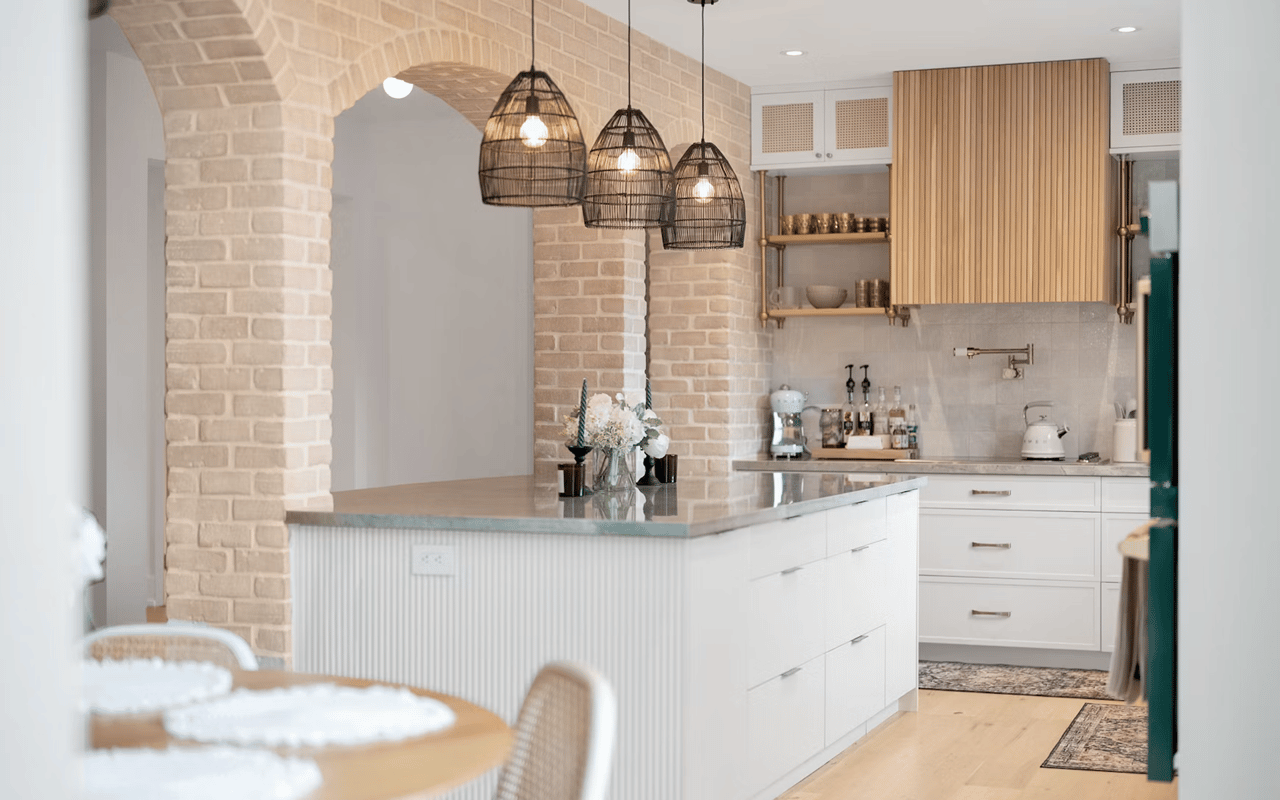
Kitchens perform best with tones that look clean and balanced. Whites, beiges, or subtle greige shades offer a neutral backdrop for cabinetry. If you enjoy color, subdued greens or warm undertones can complement wood or stone finishes without overwhelming the space.
Bathroom
Bathrooms often feel most functional with clean and simple colors. Light neutrals, pale blues, or soft greens can create a fresher atmosphere. The goal is creating color harmony in interiors while ensuring the room feels open and easy to maintain.
Laundry Room
Even small spaces benefit from thoughtful color choices. Soft neutrals or lighter pastels help keep the area bright. This is especially helpful in rooms with limited natural light. Simple color choices can support efficiency without drawing too much visual attention.
Mistakes People Make When Choosing a Paint Color
Homeowners often underestimate how much lighting influences paint appearance. A color can look completely different at various times of day. Always test samples on multiple walls. Other common mistakes include:
- Choosing paint before selecting furniture.
- Ignoring undertones, which can cause mismatched surfaces.
- Picking colors without considering long-term maintenance.
- Using too many unrelated colors throughout the home.
Avoiding these issues supports better decision-making and ensures that your guide to choosing room paint leads to a result that looks intentional and balanced.
FAQs About Paint and Color Science
Which paint colors help make a room appear more spacious?
Lighter colors—especially soft neutrals—tend to reflect more light, creating an expanded sense of space.
Can paint color influence how well someone focuses?
Yes. Certain balanced tones, such as mild greens or muted blues, can help maintain concentration and reduce distraction.
Do different paint colors affect a home’s resale appeal?
Neutral palettes often appeal more widely, supporting stronger buyer interest and helping a home integrate smoothly into the Boise, ID real estate market.
About Tina Richards
Tina Richards has lived in Boise her entire life and understands the area on a personal level. She raised her family in the community and values the connections she has built over the years. Her involvement in the region provides her with reliable insight into available homes, their status, and their condition.
Clients benefit from her strong work ethic and dedication to serving their needs. She believes that honesty and follow-through form the foundation of every real estate relationship. Tina also enjoys collaborating with people and strives to deliver a positive and supportive experience.
If you're looking to buy or sell a home or have any questions about the Boise, ID real estate market, contact Tina Richards today.
Clients benefit from her strong work ethic and dedication to serving their needs. She believes that honesty and follow-through form the foundation of every real estate relationship. Tina also enjoys collaborating with people and strives to deliver a positive and supportive experience.
If you're looking to buy or sell a home or have any questions about the Boise, ID real estate market, contact Tina Richards today.