By Tina Richards
Boise’s trail culture starts where the city meets the foothills, with quick transitions from North End streets to dirt singletrack in minutes. A morning can begin at Camel’s Back Park, climb into Hulls Gulch, and still wrap with coffee downtown before the workday.
If you’re planning hiking in Boise, ID as part of daily life, these are the local patterns and trail systems that make it easy to build a routine.
Key Takeaways
- Foothills staples: Camel’s Back, Hulls Gulch, and the Military Reserve
- Ridge-to-Rivers basics: How to use the system like a local
- Season planning: What changes from spring to late summer
- Weekend extensions: Shaw Mountain and Boise National Forest access
Foothills Trailheads That Make Weeknight Hikes Realistic
The Boise Foothills are set up for short, efficient outings because several trailheads sit close to established neighborhoods and central roads.
Local Trailhead Starting Points I Recommend
- Camel’s Back Park: North End gateway with quick access to ridge trails and Hulls Gulch connections.
- Hulls Gulch Reserve: Creek-and-canyon routes that feel close to town while still delivering elevation and views.
- Military Reserve: Open foothills network that links to popular trails and wider Ridge to Rivers segments.
Many locals treat these routes like a city park system, using them for sunrise loops, lunch breaks, and after-work climbs.
How Ridge to Rivers Works and How to Use It Well
Ridge to Rivers is the backbone of Boise trail planning, and it supports everything from mellow foothills paths to longer ridge adventures.
A Simple Trail-Planning Checklist I Use
- Trailhead selection: Pick a start based on wind exposure, sun angle, and time available.
- Route layering: Use connectors to add ridges, loops, or an out-and-back without restarting the hike.
- Timing strategy: Start early when summer heat builds fast on open slopes and south-facing climbs.
The system rewards a map-first approach because route direction, shared-use patterns, and seasonal conditions can shape the best choice on a given day.
Signature View Hikes for Big Boise Payoffs
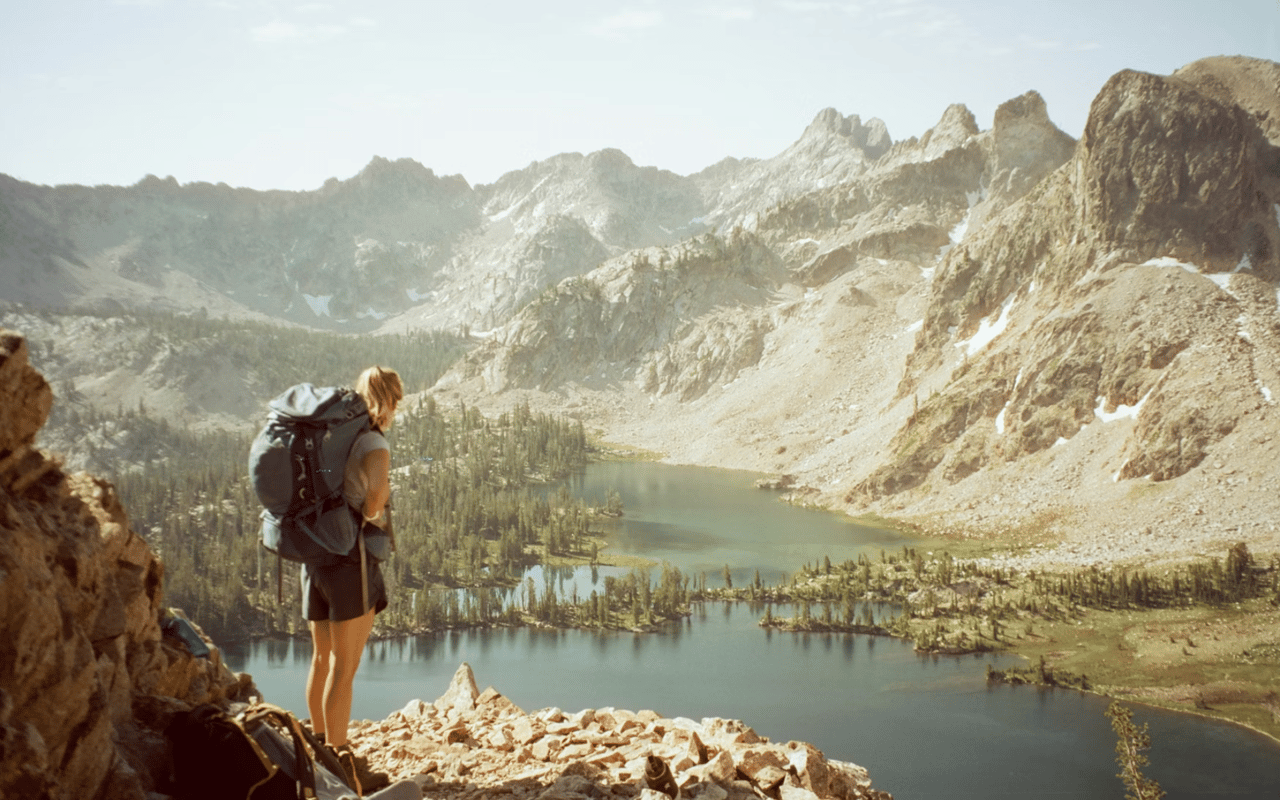
Some Boise hikes are known for sweeping views, quick elevation, and a strong sense of place, especially when the skyline and foothills meet at golden hour.
Three Routes People Use for Classic Boise Views
- Table Rock: Iconic overlook above the city that fits sunrise starts and evening climbs with clear sightlines.
- Polecat Loop: Ridge loop option that delivers wide views and a steady, rolling feel across the foothills.
- Stack Rock: Boise National Forest favorite with a summit feel that works well as a half-day outing.
These routes tend to draw consistent traffic because the reward is immediate and the access stays close to the city.
Seasonal Trail Strategy for a Comfortable Routine
Boise hiking changes by month, especially as foothills conditions shift from spring green-up to late-summer heat and fall clarity.
Seasonal Adjustments That Keep Hiking Enjoyable
- Spring foothills: Muddy conditions planning with routes that drain well and keep traction consistent.
- Summer timing: Earlier starts and higher-elevation options to keep the outing comfortable.
- Fall ridge days: Longer routes when cooler air and clear views make ridgelines feel inviting.
A strong routine comes from matching trail exposure and elevation to the season rather than repeating the same loop year-round.
Weekend Hikes Beyond Town Without Complicated Logistics
One of Boise’s best lifestyle advantages is how quickly the route options expand once you drive toward higher elevations and forest access.
Where I Point People for a Change of Scenery
- Shaw Mountain area: Higher-elevation trails that provide a cooler feel and a true forest backdrop.
- Boise National Forest access points: Varied trailheads that support ridge views, meadows, and longer mileage.
- Lucky Peak area routes: Nearby options that pair well with water views and a quick return to town.
These outings feel like a reset, with cooler temperatures, different terrain, and trailheads that turn a Saturday morning into a mini-adventure.
FAQs
What is the easiest place to start for a first foothills hike?
Camel’s Back Park is a strong starting point because routes connect quickly into the foothills, and the North End streets make the outing feel integrated with daily life. The Military Reserve is another reliable option because several connectors allow flexible loops that fit many time windows.
Which hike works well for a “classic Boise view” experience?
Table Rock is a common pick for skyline views and a straightforward route to an overlook above the city. Polecat Loop also works well for ridgeline scenery and a rolling profile that feels steady across the foothills.
How do you choose between foothills trails and forest trails on a weekend?
Foothills routes work well when the plan includes a quick start and a return to town for midday plans. Forest trails near Shaw Mountain or other Boise National Forest access points fit days when cooler air and a different landscape are part of the goal.
Contact Tina Richards Today
Boise stands out because the foothills sit right at the city’s edge, and a real trail system connects everyday routines to big views within minutes.
Reach out to me, Tina Richards, and I’ll help you line up a home search that fits your trail habits, from quick weeknight loops to weekend drives that open up the full range of Southwest Idaho terrain.