If you picture downtown Boise as nothing but lofts above storefronts, you might miss some important options. The urban core is more varied than many buyers expect, with condos, townhome-style properties, apartments, and even select single-family pockets in certain transition areas. If you are trying to decide whether downtown living fits your lifestyle, this guide will help you compare the housing types, everyday tradeoffs, and key questions to ask before you buy. Let’s dive in.
What Downtown Boise’s Urban Core Really Looks Like
Downtown Boise is a mixed-use, pedestrian-oriented area rather than one single neighborhood style. Local planning documents describe a district with a commercial core, lower-intensity residential and office blocks, and a mix of housing that includes condos, townhouses, apartments, and some houses.
That matters because your home search may look very different from a typical suburban search. Instead of comparing mostly detached homes on similar lots, you are often weighing ownership style, building amenities, parking access, and how close you want to be to the most active parts of downtown.
In practical terms, downtown Boise is often a fit for buyers who want convenience, walkability, and lower exterior maintenance. It is usually less ideal if you want a large yard, a detached garage, or a consistently quiet setting.
Condos Lead the Downtown Market
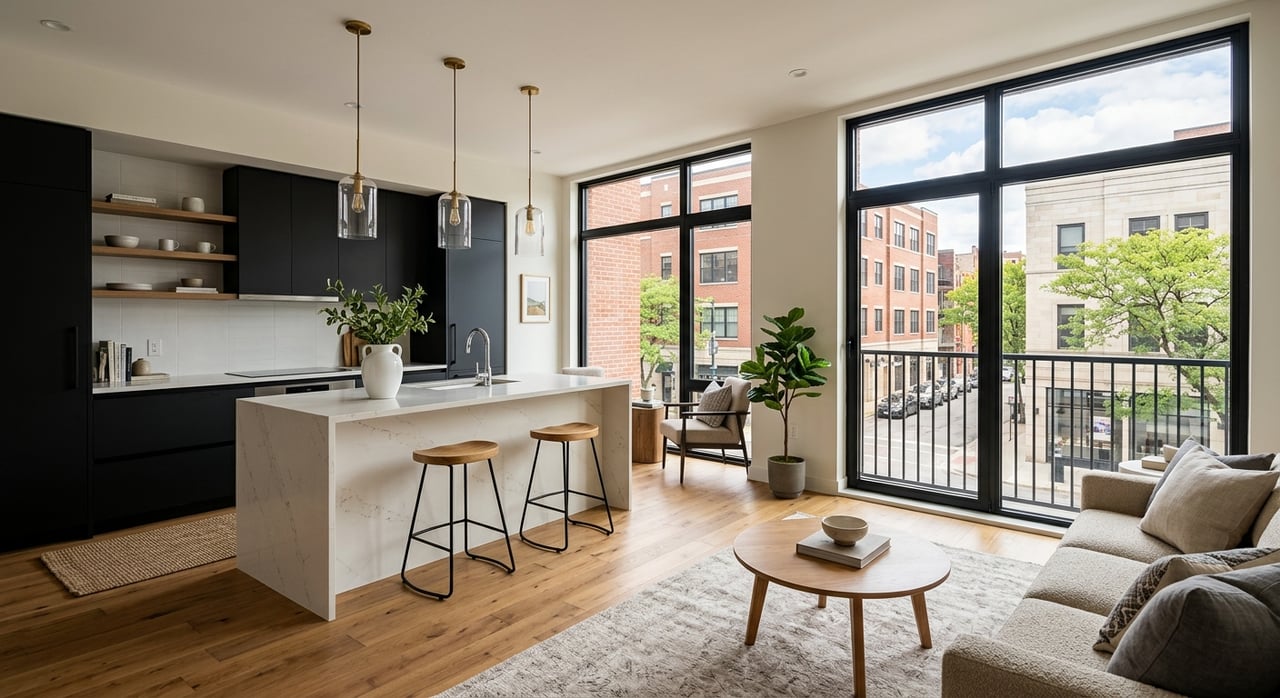
If you want to own in downtown Boise, condos and lofts are often the most common starting point. Downtown Boise Association information highlights existing condominium projects such as Aspen Lofts and CitySide Lofts, and downtown buildings often feature studio, one-bedroom, and two-bedroom layouts.
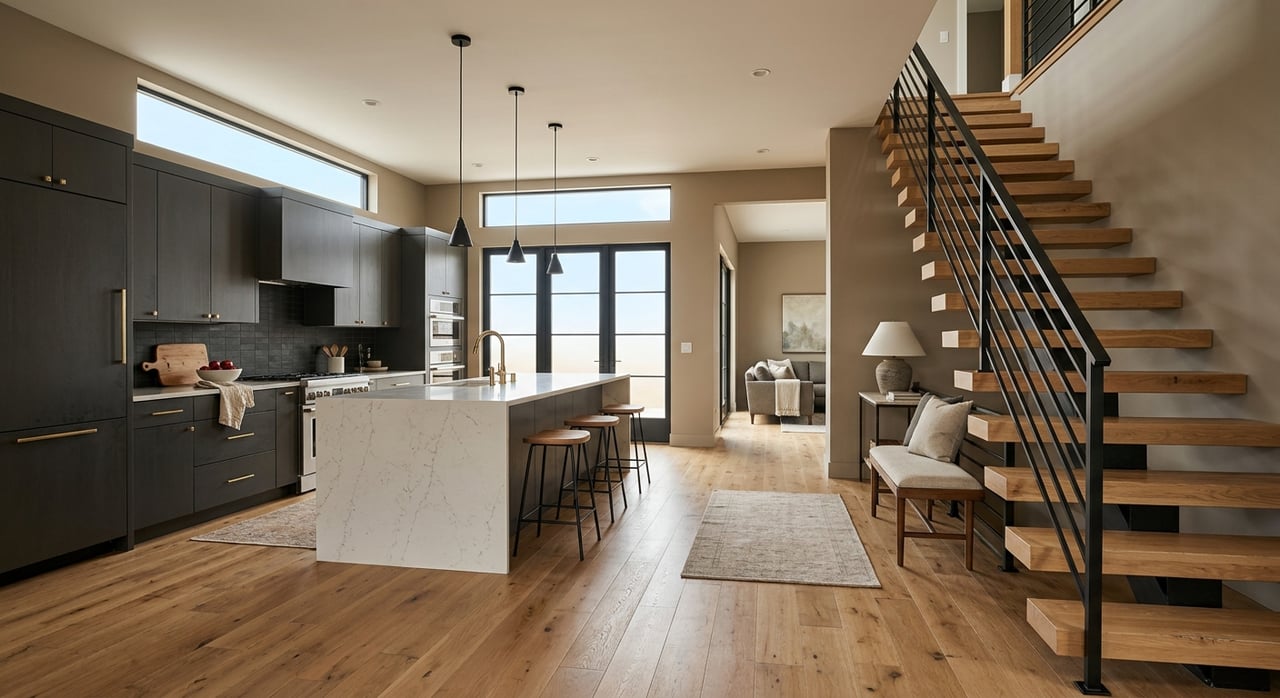
These homes can offer a strong urban-living setup. Depending on the building, you may find features like in-unit washers and dryers, balconies, shared lounges, secure mail areas, and rooftop or other common amenities.
The tradeoff is that condo living usually means shared walls, shared building systems, and HOA dues that sit outside your mortgage payment. That monthly cost needs to be part of your budget from day one, not an afterthought after you fall in love with the unit.
What condo buyers should pay attention to
When you tour downtown condos, look beyond finishes and views. The ownership details can affect your monthly costs and your day-to-day experience just as much as the floor plan.
Focus on questions like these:
- What do the HOA dues cover?
- Is parking included, assigned, or separate?
- Are there storage spaces or bike storage areas?
- What building amenities are part of the dues?
- What are the pet rules, if any?
- What insurance does the association carry, and what coverage would you need for your unit?
HUD guidance notes that condo associations are expected to maintain master or blanket property insurance at full current replacement cost, while owners may need an HO-6 policy if interior coverage is not included. For you as a buyer, that means it is worth reviewing exactly where the association’s responsibility ends and yours begins.
Townhomes Offer a Middle Ground
Townhomes exist in downtown Boise, but they are not usually the dominant housing type. City planning documents for Central Addition and Old Boise-Eastside point toward condominiums and townhouses as an important part of the area, especially through infill and redevelopment.
For some buyers, a townhome can be a useful middle ground between a condo and a detached home. You may get a little more separation, a multi-level layout, or an edge-of-core location while still staying close to downtown amenities.
That said, availability can be more limited. If you have your heart set on a downtown townhome, you may need patience and a clear understanding of which blocks and subareas are more likely to offer that style of property.
Single-Family Homes Are Limited but Real
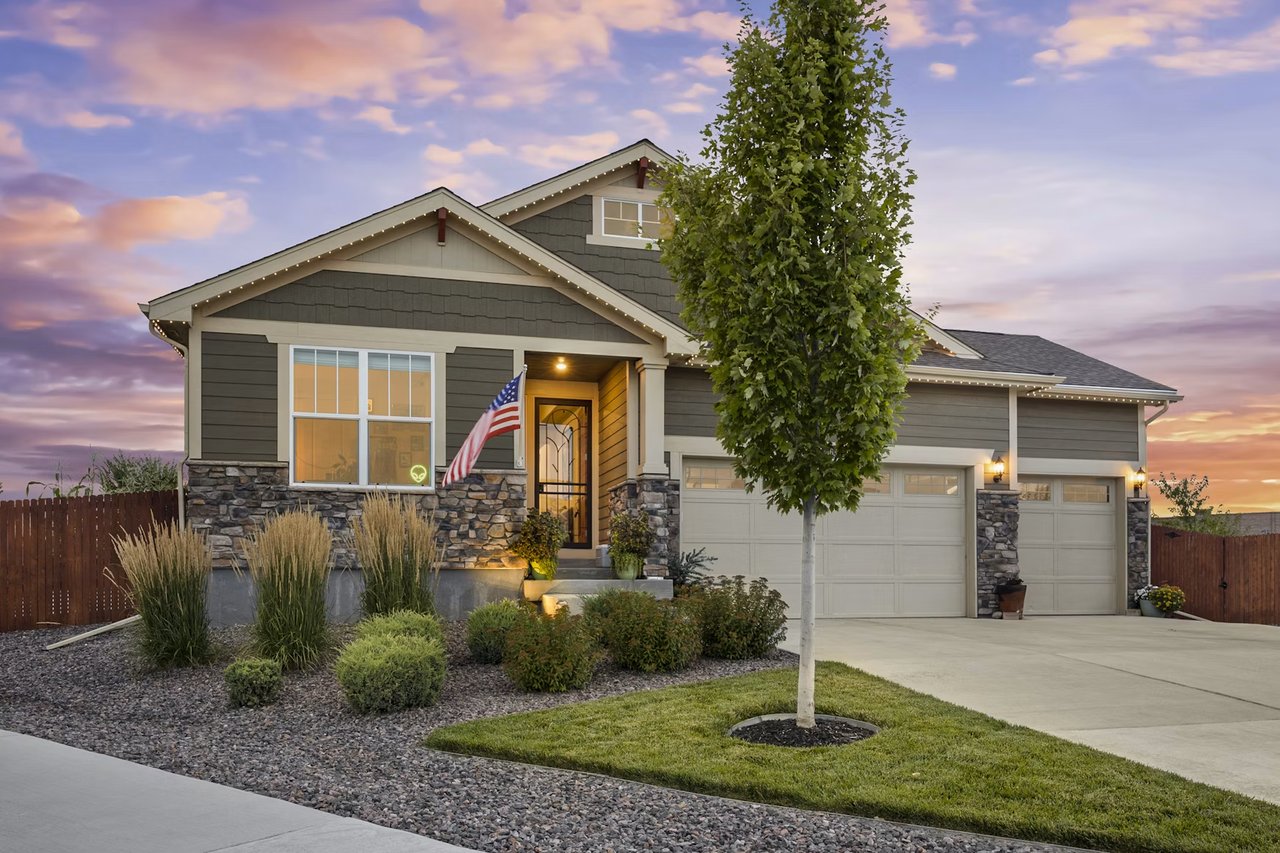
Yes, there are single-family homes in downtown Boise, but they are limited. Local planning materials specifically mention small clusters of historic single-family homes and note that some areas retain a neighborhood feel even as redevelopment continues.
These homes are often found in transition zones rather than the busiest retail and nightlife blocks. That can appeal to buyers who want downtown access without being right in the center of the most active commercial corridors.
If you are searching for a detached home downtown, it helps to stay flexible. Inventory may be tight, lot sizes may be smaller, and the home itself may sit in an area where residential and office or mixed-use properties exist side by side.
Walkability Is One of Downtown’s Biggest Strengths
For many buyers, the biggest reason to choose downtown Boise is simple: access. The urban core offers a dense mix of restaurants, shops, arts venues, parks, and community events in one connected area.
Downtown Boise Association materials point to more than 75 annual festivals, live music, and a wide range of dining and services. Parks and public spaces like Julia Davis Park, The Grove Plaza, JUMP, and Cherie Buckner-Webb Park add to the everyday rhythm of downtown life.
If you want to step outside and be close to activity, this setup can be a major plus. It gives you the kind of day-to-day flexibility that many buyers value more than extra square footage.
River and campus access matter too
Downtown Boise also connects well to the Boise River Greenbelt. Boise Parks and Recreation maps show a landscaped pedestrian link from downtown through the River Street area to the Greenbelt, with Julia Davis Park forming part of the nearby river-adjacent park system.
That connection adds a lot to the lifestyle picture. If you like walking, biking, or easy river access, downtown can offer a very practical launch point.
The link to Boise State is another advantage for some buyers. Boise State describes a riverside campus with bike-friendly infrastructure, a free Bronco Shuttle, and free Valley Regional Transit access for the Boise State community, which supports an easy downtown-to-campus connection for students, staff, and visitors.
Parking Is a Real Tradeoff
Parking is one of the clearest differences between downtown living and many other Boise housing options. The City of Boise operates downtown parking meters, and ParkBOI garages offer the first hour free, but that visitor convenience does not erase the reality that private parking is often more limited downtown.
Planning documents for Central Addition and Old Boise-Eastside discourage surface parking and favor shared or structured parking. In everyday terms, that means you may be trading a driveway or oversized garage for location, walkability, and a more urban lifestyle.
Before you buy, make sure you understand the parking setup in detail. Ask whether spaces are deeded, leased, shared, covered, secured, or limited in number, and think honestly about how often you drive versus walk or bike.
Noise and Activity Come With the Location
Downtown Boise has energy. With festivals, live music, nightlife, dining, sports, parks, and public events packed into the area, activity levels are naturally higher than in many residential parts of Boise.
For some buyers, that is exactly the point. They want to live near the action and do not mind some street activity or occasional weekend noise.
For others, it can be a mismatch. If quiet surroundings are high on your list, it is smart to visit a property at different times of day and on different days of the week so you can get a more realistic feel for the block.
How to Choose the Right Downtown Fit
The best downtown home is not always the one with the most polished finishes. It is the one that matches how you actually live.
A few questions can help you narrow your search:
- Do you want to walk to restaurants, parks, and events regularly?
- Are you comfortable with shared walls or shared amenities?
- How important is private parking?
- Do you want lower exterior maintenance?
- Would a smaller home in a central location feel like a good trade?
- How much daily noise and activity feels comfortable to you?
If your answers point toward convenience, access, and simplicity, downtown Boise may be a strong fit. If you want more privacy, more yard space, or a quieter environment, another Boise area may line up better with your goals.
What to Review Before You Make an Offer
Downtown purchases often involve a few extra layers of review, especially with condos and townhome-style properties. Going in prepared can help you avoid surprises later.
Before you write an offer, pay close attention to:
- HOA dues and what they include
- Parking rights and guest parking options
- Building amenities and maintenance expectations
- Insurance structure between the association and the owner
- Storage availability
- Noise exposure based on the unit’s location
- The surrounding mix of residential, retail, and office uses
This is where local guidance matters. In a market with several ownership styles packed into a compact area, the details can shape both your budget and your long-term comfort in the home.
Downtown Boise can be a great place to live if you choose it with clear eyes. The right home is less about forcing an urban lifestyle and more about finding the version of downtown that fits your routine, priorities, and comfort level.
If you are weighing downtown Boise against other Boise neighborhoods, or trying to decide which type of property makes the most sense for your next move, working with a team that knows the local market block by block can make the process much easier. Tina Richards offers steady guidance, honest insight, and a practical Boise perspective to help you make a confident decision.
FAQs
What types of homes can you buy in Downtown Boise’s urban core?
- Downtown Boise includes condos, lofts, townhome-style properties, apartments, and a limited number of single-family homes in select transition areas.
Are condos the most common ownership option in Downtown Boise?
- Yes. Downtown ownership inventory is concentrated in condominium and loft buildings, making condos one of the most common options for buyers in the urban core.
What should you know about HOA dues in Downtown Boise condos?
- HOA dues are generally separate from your mortgage payment, so you should factor them into your true monthly housing cost and review what they cover before buying.
Is parking harder to manage in Downtown Boise?
- Parking can be a tradeoff downtown because the area relies more on meters, garages, and structured or shared parking than on private driveways and large garages.
Is Downtown Boise a good fit if you want a quiet home?
- It depends on your tolerance for activity. Downtown offers access to events, nightlife, dining, and parks, but that can also mean more traffic and occasional evening or weekend noise near active corridors.
Why do some buyers choose Downtown Boise over other Boise areas?
- Many buyers choose downtown for its walkability, lower-maintenance housing options, access to the Boise River Greenbelt, proximity to Boise State, and close connection to restaurants, parks, and events.