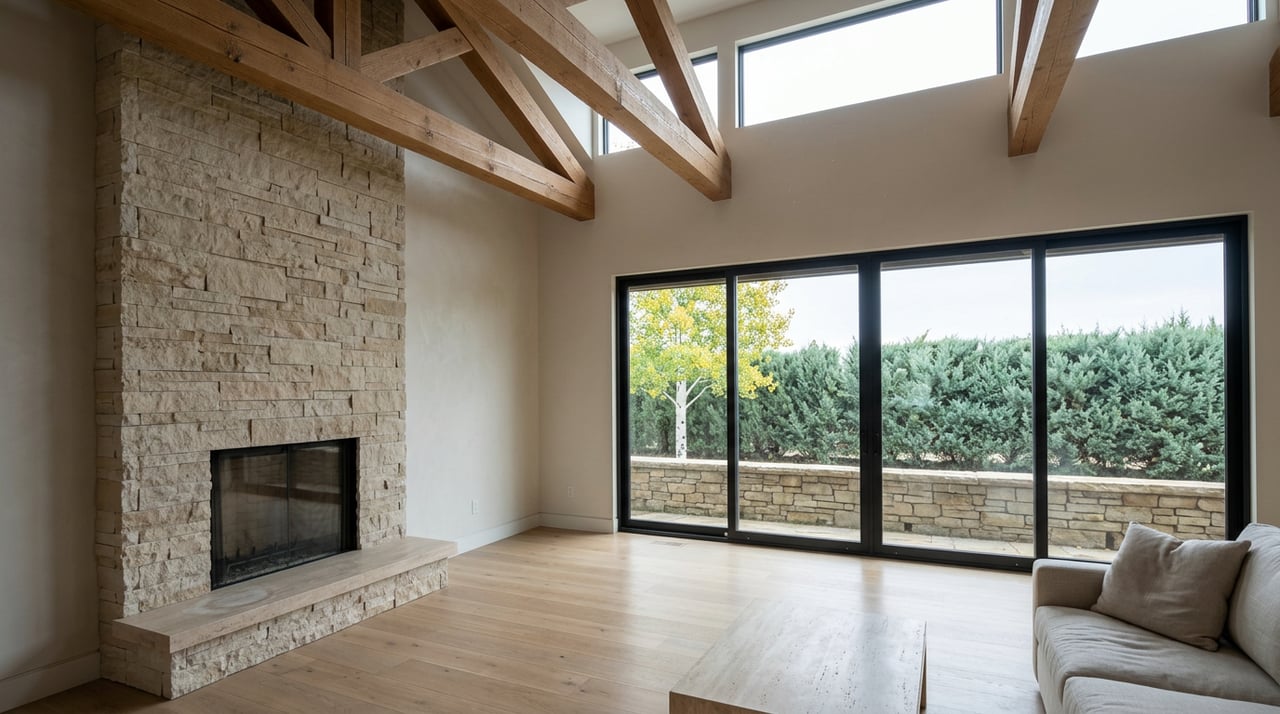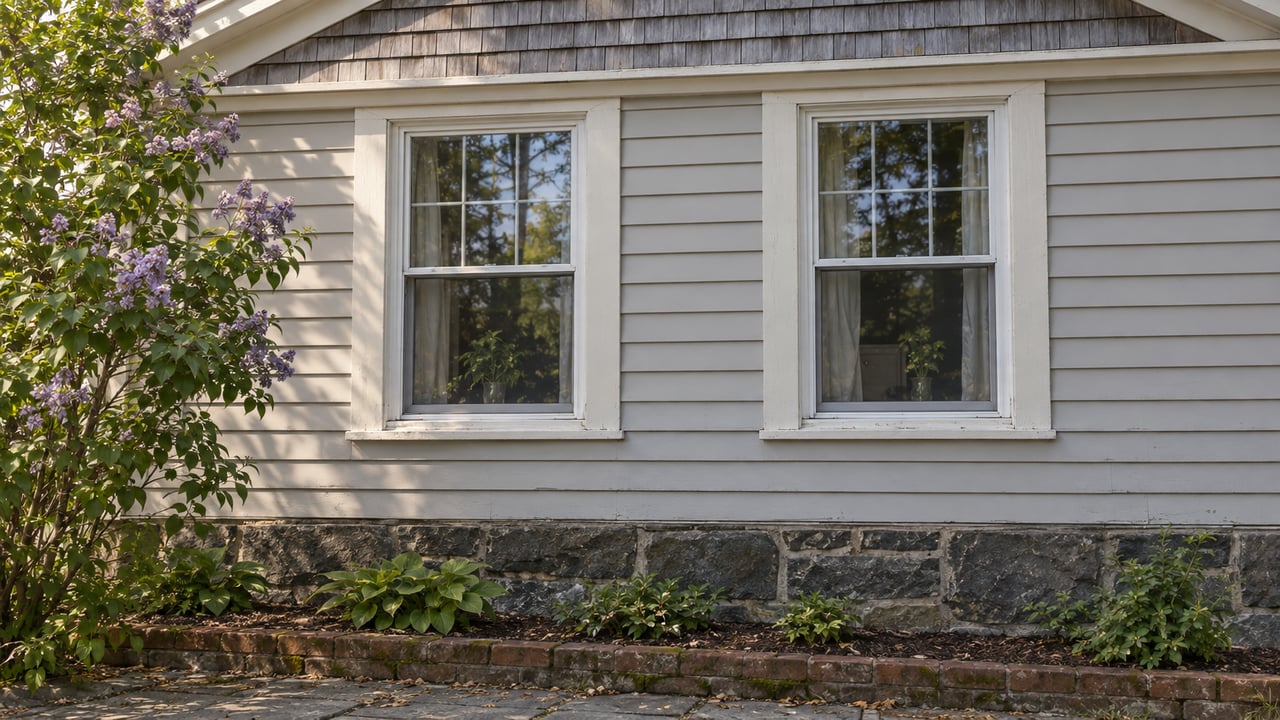
How long does it actually take to replace a window in a North End bungalow?
Ask a contractor and you'll get an answer measured in days. Ask the City of Boise and the honest answer is measured in weeks, sometimes a full month, and it has almost nothing to do with the window itself. It has to do with a meeting that happens once a month, on a schedule that doesn't bend for closing dates or moving trucks.
That's the part of buying or selling in the North End that rarely shows up in a listing description or a home inspection report. The neighborhood's charm, its grid streets, its rear alleys, its tree canopy that's been growing since the district's earliest lots were platted in 1878, comes with a review process that governs what a homeowner can change and when. For anyone closing on a house near Harrison Boulevard, Hays Street, or Resseguie, understanding that process before the offer is signed matters more than most renovation budgets.
What Actually Requires a Certificate of Appropriateness
The North End was designated a local historic district by Boise City in 1994, with the district expanded in 2004. Inside that boundary, most exterior changes beyond routine maintenance require what the city calls a Certificate of Appropriateness, or CofA, before work can begin. This isn't a suggestion layered on top of a building permit. In many cases it's a precondition for one.
According to the North End Neighborhood Association, projects that typically trigger the requirement include:
- Removing a tree
- Installing a non-wood fence
- Replacing windows
- Building an addition, porch, or deck
- Any demolition
The review itself isn't one-size-fits-all. Boise's Decision Matrix sorts applications by scope. Minor changes can move through an administrative, staff-level review the city calls Type 2. Anything more substantial goes to a hearing-level review, Type 3, in front of the Historic Preservation Commission itself. Which track a project lands on depends on the historic district, the property's status, and the scope of the work, not on how the homeowner feels about the urgency of their kitchen remodel.
Skipping the process carries real consequences. NENA's own guidance is direct about what's at stake for owners who move ahead without approval: homeowners "may be charged with a misdemeanor and/or assessed fines, and could potentially be forced to remove unapproved changes." That last part is the one that should give any move-up buyer pause. A fence installed without a CofA isn't just a fine. It can be an order to tear it back out.
Contributing or Noncontributing Changes Everything
Not every home inside the North End carries the same restrictions, and this is the detail most buyers never check before they write an offer.
The city classifies properties within historic districts as either contributing or noncontributing. A contributing home was present during the district's period of historical significance and still holds its architectural integrity. A noncontributing home either wasn't there yet or has been altered enough that it no longer reads as historic, even though it still sits inside the boundary and is still subject to the same preservation ordinance. Contributing status generally means tighter design review. Noncontributing status can mean more flexibility, though the CofA requirement doesn't disappear entirely.
Here's the part worth building into a timeline before closing rather than after: a home's status isn't fixed forever. Boise's code allows a building to be reclassified from noncontributing to contributing once it reaches its 50th year, through a survey and public process. A house bought today as a flexible noncontributing property could be reclassified within the life of a mortgage, changing what future renovations are allowed to look like.
Before writing an offer on a North End property, a buyer can search Boise's Historic Surveys to see how a specific address is currently classified. That single search tells you more about your future renovation options than a walk-through ever will.
The Monthly Meeting That Sets Your Timeline
This is where the calendar becomes the real cost.
The Historic Preservation Commission meets once a month, on the last Monday, at 6pm, sometimes preceded by a work session at 5:30. Application packets are typically posted about a week ahead of that meeting so the public can review the agenda and staff reports before testimony. Miss the submission window for one month's packet and the next opportunity is, by definition, a month away.
For a buyer who closes expecting to start a porch rebuild or swap out old windows before winter, that monthly rhythm can turn a two-week contractor estimate into a two-month wait, not because of labor or materials, but because the review cycle only runs twelve times a year.
There is a way to shorten that risk, and it's a resource most out-of-area buyers don't know exists. NENA maintains its own Historic Preservation Committee, a group of neighborhood volunteers who review projects informally before they go to the city and help homeowners avoid the kind of application that gets denied or tabled for revisions. Reaching out to that committee early, before finalizing renovation plans, is one of the few ways to compress the timeline instead of losing a month to it.
What the Premium Actually Buys
Once a project clears design review, the renovation itself tends to cost more in the North End than the same scope would in a newer subdivision, and the reasons are specific to the age of the housing stock rather than the neighborhood's desirability.
Many pre-1940 homes here still carry active knob-and-tube wiring, a system with no ground wire that most homeowner's insurance policies won't cover. A full rewire of a 1,200 to 1,800 square foot home typically runs $12,000 to $25,000. Homes from this era also frequently contain lead-based paint, which triggers EPA lead-safe work practice rules the moment a contractor starts sanding or cutting into a painted surface.
Those factors compound into a broader pattern: historic home remodeling in Boise typically costs 15 to 35 percent more than comparable work on a home built after 1970. The gap shows up clearly at the project level.
| Project | Historic North End bungalow | Comparable newer-build home |
|---|---|---|
| Kitchen remodel | $45,000–$85,000 | $35,000–$65,000 |
| Bathroom remodel | $25,000–$55,000 | $18,000–$40,000 |
None of this is a reason to avoid the neighborhood. It's a reason to price the renovation and the review timeline into an offer at the same time, rather than discovering both after the inspection contingency has already expired.
Already on the Disclosure Form
None of this is hidden from the paperwork. It's built directly into the transaction.
Idaho's standard property condition disclosure, the RE-25 form developed under state law, includes a specific line item for historic district status alongside its questions on unpermitted additions and alterations. A seller completing that form for a North End property is required to check that box. Idaho Code Title 55, Chapter 25 sets the mechanics around it: the seller has ten days after an offer is accepted to deliver the completed disclosure, and the buyer then has three business days to review it and decide whether to proceed, negotiate, or walk.
The same chapter requires disclosure of any substantial work completed without a permit, which matters in a neighborhood where DIY window swaps and fence installs happen without anyone realizing a CofA was required first. An unpermitted change made by a previous owner becomes the current seller's disclosure problem, and eventually the buyer's renovation problem, since retroactive approval isn't guaranteed just because the work already happened.
Questions That Come Up Before Closing
Does every exterior change need a Certificate of Appropriateness? Most changes beyond basic repair do, including window replacement, fencing, additions, porches, decks, and demolition. Routine maintenance, like repainting an existing color, generally does not.
What happens if a previous owner made changes without approval? The work still exists on the disclosure form as an unpermitted alteration. A new owner can be asked to bring it into compliance, which sometimes means retroactive approval and sometimes means removal.
Is a Certificate of Appropriateness the same thing as a building permit? No. The CofA addresses whether a change fits the district's design guidelines. A building permit addresses code and safety. In the North End, many projects need both, and the CofA typically has to clear first.
A North End purchase is still, at its core, a Treasure Valley home purchase. The difference is that the calendar and the code sit closer to the surface here than almost anywhere else in Boise, and knowing both before an offer goes in changes what a buyer can reasonably expect to do with the house once the keys are handed over.
If you're weighing a North End purchase or preparing one for market, Tina Richards Real Estate can walk through what a specific address's contributing status means for your plans, and what the review timeline looks like before you write the offer. Let's connect.